
The range between minimum price and maximum price is incorrect. Please submit the correct range.
Protecting Your Home Against Flooding: Moving Beyond Magical Thinking
Understanding Water's Path
Architecture sans frontières Québec (ASFQ) published a comprehensive guide in March 2026, revealing a fundamental truth: "To coexist with water, you must understand how it circulates around your home." Damage varies depending on the region, soil type, terrain shape, and gutter installation. This understanding is the first step toward true resilience.
Adapting Exposed Surfaces
The second step is reducing vulnerable surfaces. In the basement, replacing carpets and wooden floors with polished concrete, ceramic, or vinyl eliminates irreversible damage. Elevating appliances and moving the electrical panel to the main floor represent essential investments. Outside, eliminating negative slopes, opting for permeable pavement, and waterproofing foundations significantly reduce hydrostatic pressure around the house.
Strategic Equipment
Three pieces of equipment are essential: a backflow preventer, a French drain, and a submersible pump. However, we must avoid the illusion that they alone suffice. The French drain, for example, works well during spring snowmelt but proves ineffective when six inches of water floods the property. The backflow preventer prevents sewer backflow, while gargoyles prevent "geysers" in sinks.
Maintenance and Prevention
Finally, anticipation translates into concrete actions: cleaning the backflow preventer every summer, maintaining drain outlets, storing personal belongings in plastic rather than cardboard boxes, and having a generator for the pump in case of a power outage. In flood-prone areas, installing window wells and a waterproof garage door provide additional protection.
Protecting your home against flooding is not a matter of luck or fate. It is a work of anticipation, adaptation, and strategic equipment placement. Every measure counts, and their combined effect creates true resilience. Recognizing that the climate is changing and municipal infrastructure is insufficient means accepting responsibility for protecting your home sustainably.
References
Architecture sans frontières Québec. (2026). Guide for adapting buildings resilient to flooding. Retrieved from https://www.asf-quebec.org/wp-content/uploads/2026/04/cohabiteravecleau-3.pdf
Sales continue to rise
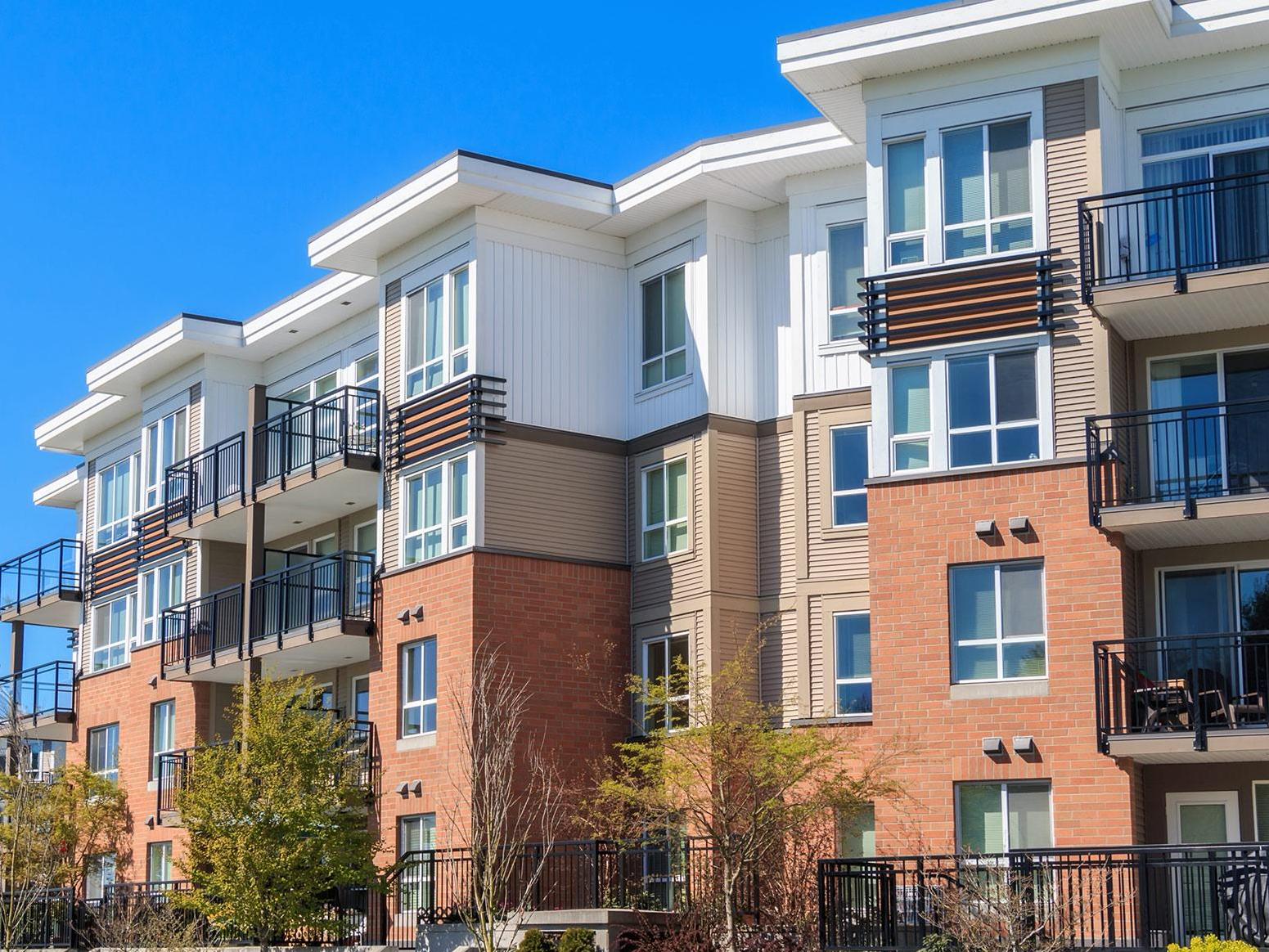
The Canadian housing market continued its slow but steady recovery in October, according to the latest data from the Canadian Real Estate Association (CREA). National home sales recorded another monthly increase, extending a trend of gradual improvement. Although activity remains below last year’s levels, several indicators show a market moving closer to a better balance.
Fewer new listings tighten supply
At the national level, new listings fell 1.4% in October compared with the previous month, reflecting a slight slowdown on the seller side. Combined with the rise in sales, this decline pushed the sales-to-new-listings ratio to 52.2%, up from 51.0% in September. Although this ratio remains below the long-term average of 54.9%, it is now clearly within the range of a balanced market.
Towards Equity in the Quebec Real Estate Market
For over five years, the real estate market in Quebec has been characterized by a demand significantly exceeding supply. This imbalance has led to significant consequences such as rising property prices, intensified competition among buyers, and an increase in conditions. Unfortunately, regulators have not established clear guidelines to strengthen buyer protection, particularly regarding the management of multiple offers by brokers.
The Need for a Clearer Regulatory Framework
It is surprising that the regulator has not yet established a minimal timeframe between the start of property viewings and the submission of purchase offers, or between the submission of offers and their presentation to sellers. Ensuring fair information for all buyers is crucial. By granting all buyers equal time to prepare their offers, a waiting period could promote greater fairness in the purchasing process, thereby reducing advantages that some buyers might enjoy due to privileged access to information or resources.
While the seller's broker (the listing agent) has an ethical obligation to disclose the existence of other purchase offers upon receipt, implementing a delay between the submission of purchase promises and their presentation could clarify the process. This would allow all parties to better understand pending offers as well as the market context, fostering greater transparency regarding buyers' intentions.
Stories That Reveal Gaps
Recently, a broker represented buyers in a transaction where the deadline for submitting purchase offers was set for 5:00 PM. At 5:33 PM, he received a notice from the seller's broker informing him that a fourth offer had been submitted, followed by another notice at 5:43 PM regarding a fifth purchase offer. Although the sellers and their broker are not directly responsible for this situation, it raises questions: if one of the offers were to be increased by $30,000, what would be the duty of the seller's broker? How would the sellers react in such a situation? Would they accept the offer that complied with the deadlines or the best monetary offer?
Furthermore, why has the regulator not established a transaction log integrated into the Centris platform and the communication system for real estate brokers? Such a registry could record data on transaction histories, accompanied by a declaration from the seller's broker guaranteeing the validity of the information.
The Call for Action for a Fairer Market
Ultimately, the current dynamics of the real estate market in Quebec raise crucial questions regarding the management practices of purchase offers. The regulator must implement clear measures to genuinely protect buyers. Introducing deadlines for presenting offers and creating a transparent transaction log are solutions that could help restore consumer confidence, but these professional obligations for brokers would not stabilize an overheated market.
It is essential that the regulator takes proactive initiatives to regulate the practices of real estate brokers and ensure that every buyer has a fair and informed purchasing experience. By rethinking its guidelines, the regulator can not only promote fairness in the purchasing process but also enhance the credibility of the profession while protecting consumer interests in an ever-evolving market. Regarding the imbalance between supply and demand, government measures should be implemented to encourage the construction of condominium units and single-family homes.
Bernard Rodrigue M. Urb., M.U.P., M. Urb.
Chartered real estate broker

Professional, attentive and personalized services that will help you sell or buy the property of your dreams! We believe that you and your family deserve the best. Whether you are a first-time buyer, an experienced seller or an investor, we are naturally gifted at reading the room to ensure your complete satisfaction


The trademarks MLS®, Multiple Listing Service® and the associated logos are owned by CREA and identify the quality of services provided by real estate professionals who are members of CREA.
REALTOR® contact information provided to facilitate inquiries from consumers interested in Real Estate services. Please do not contact the website owner with unsolicited commercial offers.
Copyright© 2026 Jumptools® Inc. Real Estate Websites for Agents and Brokers